


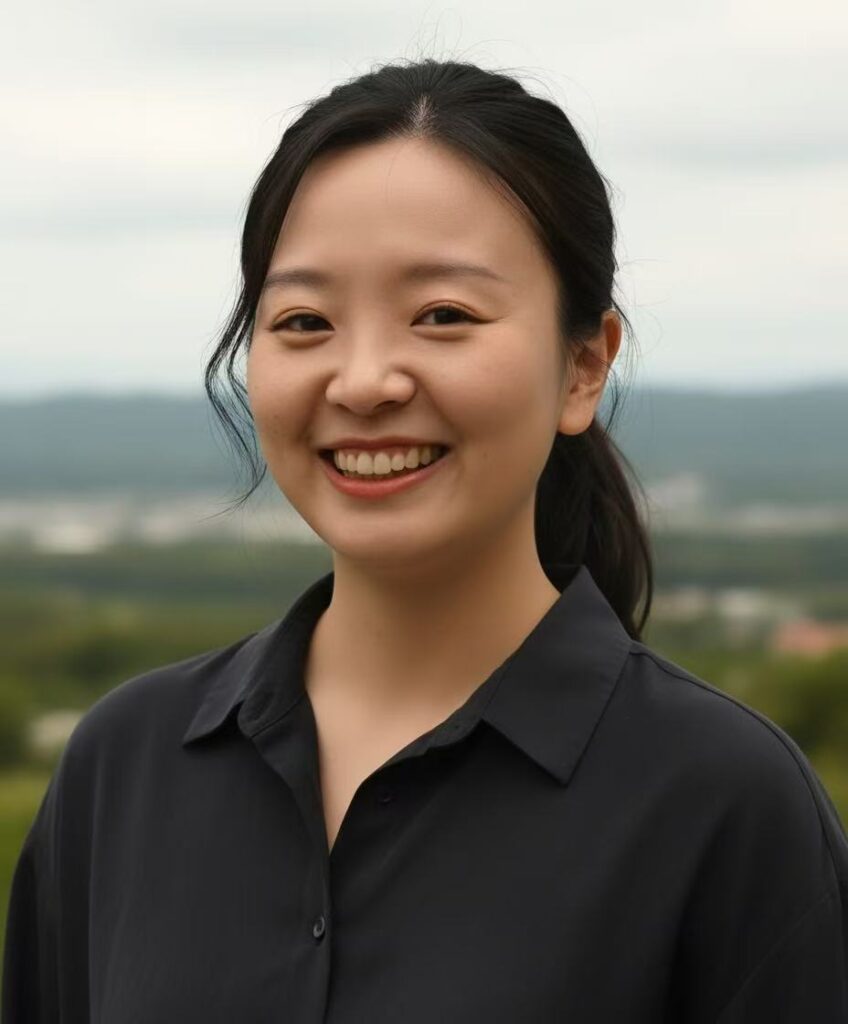
Xiaocong Liu
| Position | Program-Specific Researcher |
|---|---|
| Group name | Saitou Group |
| Research Field | Developmental biology, Reproductive biology |
| ORCID | https://orcid.org/0009-0009-7720-1242 |
| Joined | 2025/04/01 |
Research Overview
My research aims to address one of the most fundamental questions in reproductive biology: how is the human genome reset to allow the formation of a new life?
Infertility affects about 1 in 6 people worldwide, yet much about human reproduction remains a mystery. During my clinical training, I saw firsthand the emotional and physical toll infertility takes, especially in cases like premature ovarian failure, where young women lose ovarian function and have no treatment options. These experiences motivated me to study the fundamental biology behind fertility.
My research focuses on how germ cells (which give rise to sperm and eggs) reset their genome to begin new life. This process, called epigenetic reprogramming, involves removing chemical “tags” (methylation) on DNA that control gene activity. A family of enzymes called TET proteins plays a key role in this resetting, but their exact function in human germ cell development is not fully understood.
To address this gap, I generated stem cells with an inactive version of the TET1 enzyme. When I tried to turn these cells into germ cells, the DNA reprogramming process failed, demonstrating TET1’s critical role. Building on this finding, my research now focuses on:
- How DNA methylation patterns change during germ cell development in vitro
- Whether other TET enzymes, like TET2 and TET3, also play a role in this process
- Which specific genes TETs regulate during early germline formation
By understanding these mechanisms, we hope to uncover causes of infertility and pave the way for treatments that restore reproductive function for those who currently have no options.
Biography
Xiaocong Liu obtained her Master’s degree from Zhengzhou University (China) and received clinical training in Obstetrics and Gynecology at the First Affiliated Hospital of Zhengzhou University(2020). She completed her PhD coursework at the Graduate School of Medicine, Kyoto University under the supervision of Prof. Mitinori Saitou (2021-2025) and subsequently continued her research as a Program-Specific Researcher at the Institute for Advanced Study of Human Biology, Kyoto University.
Publications
Zhang, M., Liu, X., Xu, X., Li, J., Bu, Z., Yang, Q., Shi, H., Niu, W., Dai, S., Liang, Y., & Guo, Y. (2023). The reference value of anti-Müllerian hormone to diagnose polycystic ovary syndrome is inversely associated with BMI: a retrospective study. Reproductive Biology and Endocrinology, 21(1), 15. https://doi.org/10.1186/s12958-023-01064-y
Wang, Z., Liu, X., Xu, J., Yang, Q., Niu, W., Dai, S., Hu, L., & Guo, Y. (2020). Paternal age, body mass index, and semen volume are associated with chromosomal aberrations-related miscarriages in couples that underwent treatment by assisted reproductive technology. Aging (Albany NY), 12(9), 8459–8472. https://doi.org/10.18632/aging.103151
Li, J., Liu, X., Hu, L., Zhang, F., Wang, F., Kong, H., Dai, S., & Guo, Y. (2019). A Slower Age-Related Decline in Treatment Outcomes After the First Ovarian Stimulation for in vitro Fertilization in Women With Polycystic Ovary Syndrome. Frontiers in Endocrinology (Lausanne), 10, 834. https://doi.org/10.3389/fendo.2019.00834
Ding, W., Zhang, F. L., Liu, X. C., Hu, L. L., Dai, S. J., Li, G., Kong, H. J., & Guo, Y. H. (2019). Impact of Female Obesity on Cumulative Live Birth Rates in the First Complete Ovarian Stimulation Cycle. Frontiers in Endocrinology (Lausanne), 10, 516. https://doi.org/10.3389/fendo.2019.00516
Liu, X., & Guo, Y. (2017). Anti-Mullerian Hormone: A New Potential Index for Diagnosis of Polycystic Ovary Syndrome. Journal of International Reproductive Health/Family Planning, 36(6), 44–50.